
From the vibrant energy of youth to the wisdom of later years, a woman’s body undergoes a remarkable journey of change. Each stage—puberty, fertility, pregnancy, and menopause—brings unique hormonal shifts and nutritional demands. Understanding these needs and fueling the body correctly isn’t just about managing symptoms; it’s about building a foundation of strength, resilience, and vitality for life.
The Foundation: Puberty and Reproductive Years
The journey begins with the reproductive years, where hormonal fluctuations are a monthly reality. During this time, the focus is on building a strong nutritional base to support energy, mood, and future fertility.
Iron is essential
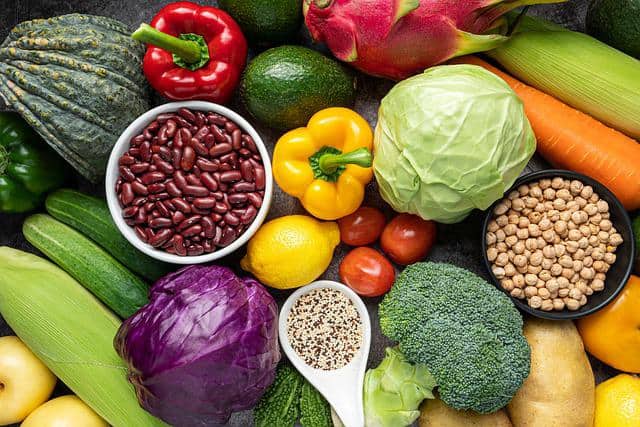
Menstruation leads to a regular loss of iron, a crucial mineral for transporting oxygen throughout the body. Low iron can cause fatigue, weakness, and even anemia. Excellent sources include lean red meat, lentils, spinach, and fortified cereals. Pairing these with vitamin C-rich foods (like oranges or bell peppers) can significantly boost absorption.
Folate is key
Even before pregnancy is a consideration, adequate folate intake is vital. This B-vitamin plays a critical role in cell growth and is essential for preventing neural tube defects in a future fetus. Leafy greens, avocados, broccoli, and legumes are all rich in this nutrient.
Calcium and Vitamin D
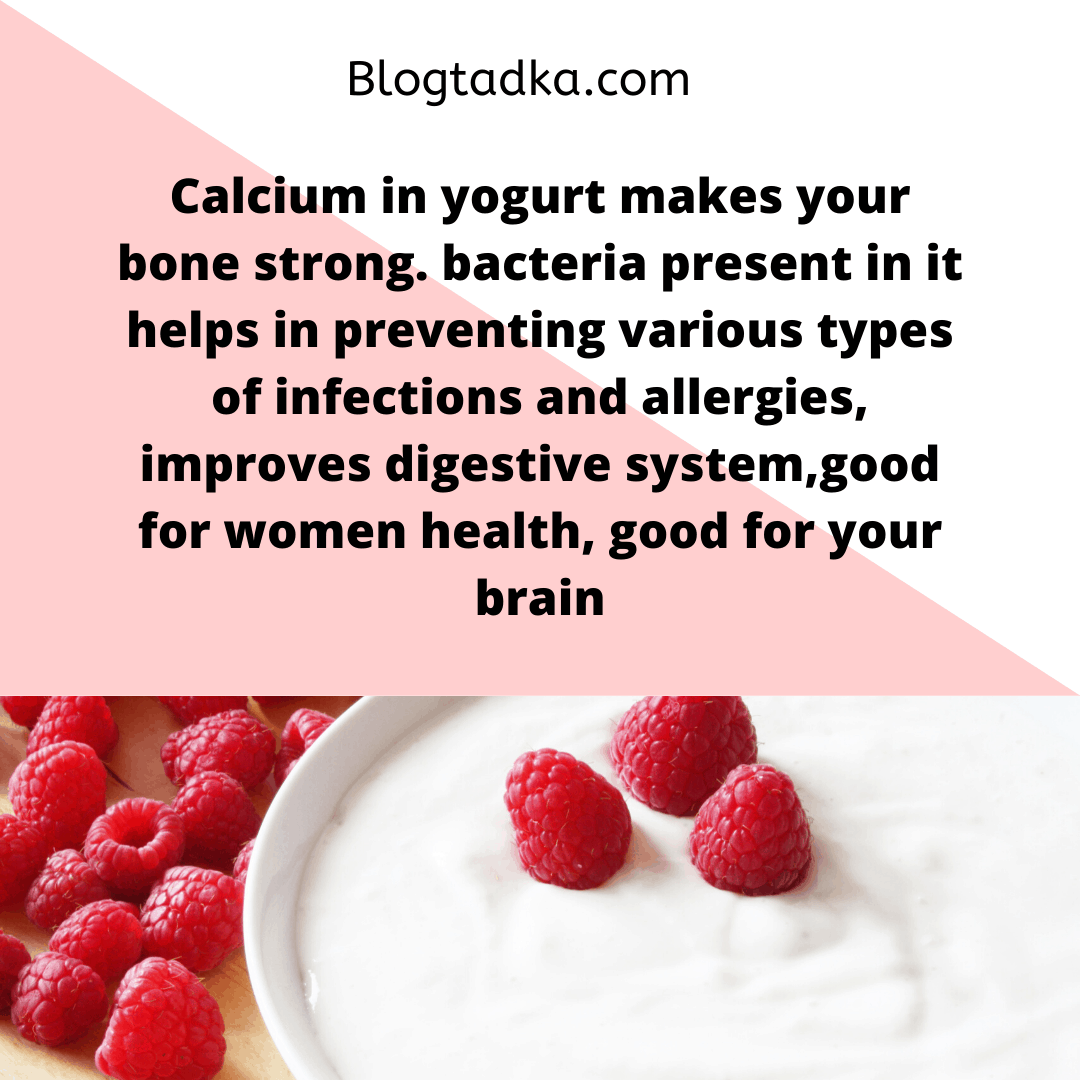
Building peak bone mass during these years is a lifelong investment. Calcium from dairy, fortified plant milks, and leafy greens, combined with vitamin D from sunlight and fatty fish, is crucial for preventing osteoporosis later in life.

The Milestone: Pregnancy and Postpartum
Pregnancy is a period of intense growth and transformation, where a woman’s nutritional needs increase dramatically to support both her own health and the development of her baby.
Elevated Calorie Needs: While not “eating for two” in the traditional sense, a woman’s caloric intake increases, especially in the second and third trimesters, to fuel the baby’s growth and her own metabolic demands. The quality of these calories matters more than the quantity.
Micronutrients on Overdrive
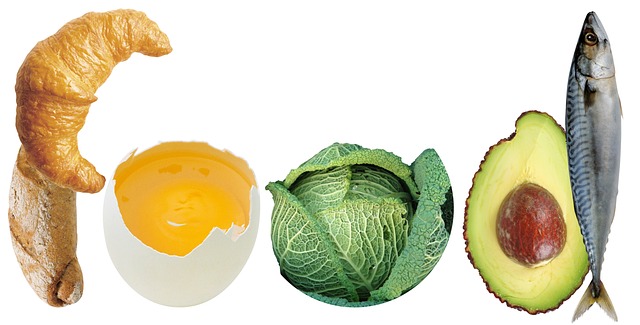
Beyond folate, other nutrients become critically important. Choline supports the baby’s brain and spinal cord development, found in eggs, beef, and soybeans. Omega-3 fatty acids, particularly DHA, are vital for brain and eye development; they are found in fatty fish like salmon. Iodine is crucial for the baby’s thyroid and neurological development.
Hydration is Non-Negotiable
Blood volume increases by nearly 50% during pregnancy, making adequate hydration essential for nutrient delivery and waste removal.
The Transition: Menopause and Beyond
As a woman’s body moves toward menopause, estrogen levels decline, ushering in new challenges and a shift in nutritional priorities.
Bone Health Takes Center Stage
The drop in estrogen accelerates bone density loss. A diet rich in calcium and vitamin D becomes more important than ever. Weight-bearing exercise also plays a significant role in maintaining bone strength.

Heart Health
Estrogen has a protective effect on the heart, so as its levels decrease, the risk of cardiovascular disease rises. A diet focused on healthy fats (avocados, nuts, olive oil), fiber (whole grains, fruits, vegetables), and lean proteins is key to maintaining a healthy heart.
Managing Symptoms
Certain foods can help alleviate common menopausal symptoms. Phytoestrogens, found in soy, flaxseeds, and chickpeas, can mimic the effects of estrogen in the body and may help with hot flashes. A diet rich in fiber can also help manage weight, as metabolism often slows down during this stage.
The Gut-Brain Connection
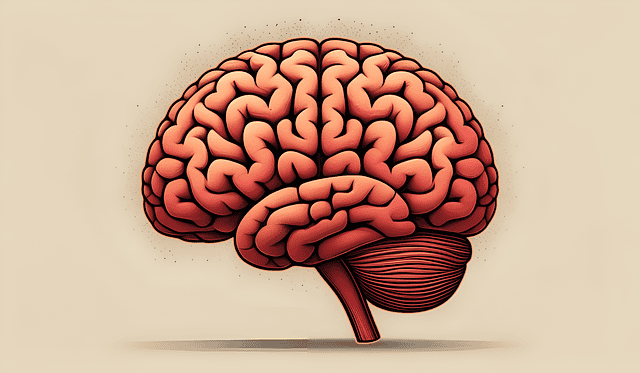
The gut microbiome plays a significant role in overall well-being, influencing everything from mood to immunity. Eating a variety of fibrous foods and fermented products (like yogurt and kefir) can support a healthy gut.
The Unifying Thread: A Holistic Approach
While each life stage has specific needs, a few nutritional principles are universal for women’s health.
Prioritize Whole Foods
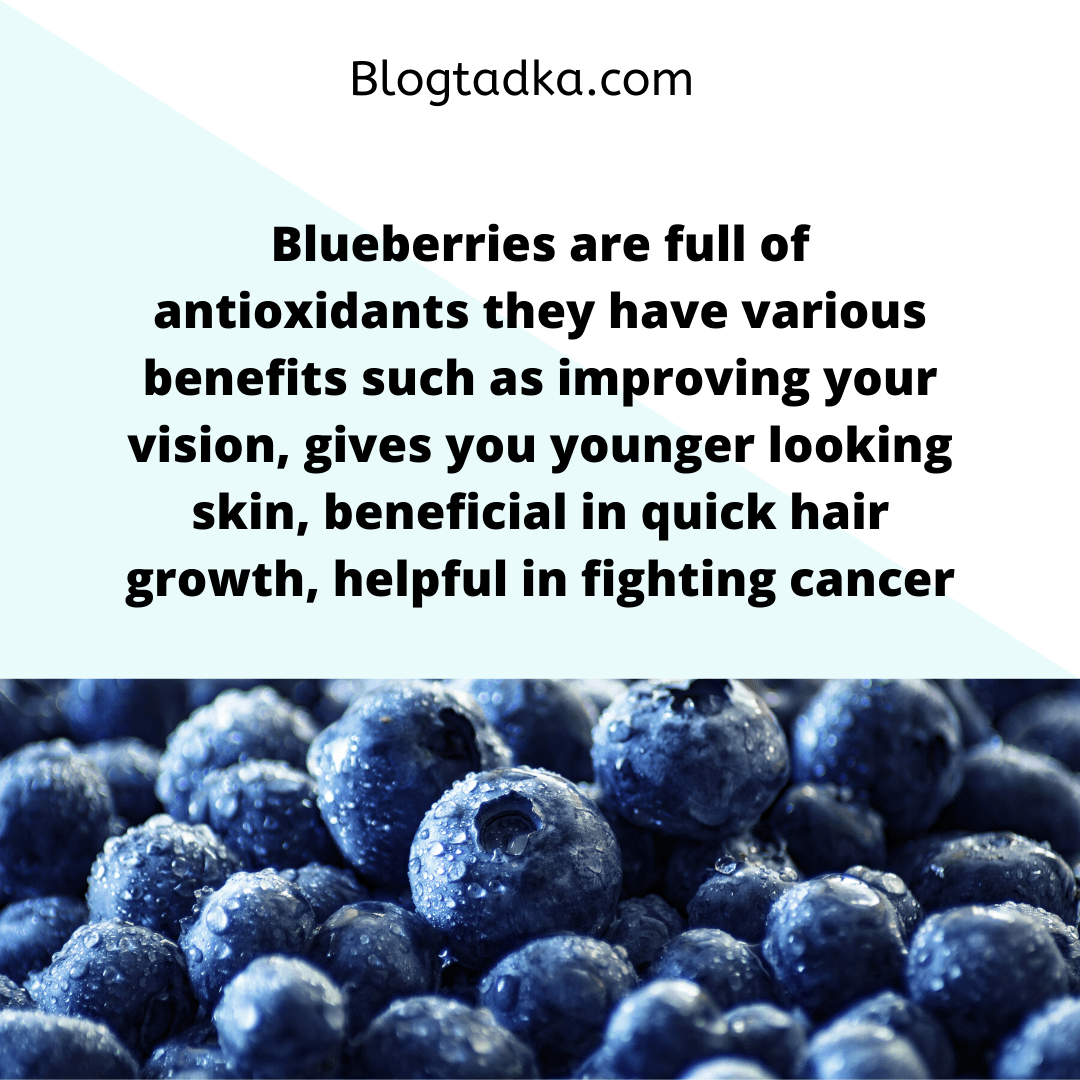
A diet rich in fruits, vegetables, whole grains, lean proteins, and healthy fats provides the broad spectrum of vitamins, minerals, and antioxidants needed for optimal health.

Stay Hydrated
Water is a fundamental nutrient for every bodily function.
Listen to Your Body
Pay attention to hunger and fullness cues. Acknowledge that nutritional needs are dynamic and can change based on activity level, stress, and hormonal cycles.
Nourishing the female body is a journey of self-care and empowerment. By aligning diet with the body’s natural rhythms, women can not only manage health challenges but also thrive with energy and vitality at every stage of life.